Theology & the Bible
These articles highlight and explain theological, doctrinal, and biblical truths for anyone engaging in serious study or teaching. From exploring specific passages of Scripture to tracing how doctrine has been formed through church history, these topics center around helping you better understand and interpret God’s Word.
-
What Was the Tower of Babel? Understanding Genesis 11:1–9
By Tremper Longman III The Tower of Babel (Genesis 11:1–9) is a well-known story from the Bible, but it raises…
-
Refusing to Tame the Psalms: A Transparent Translation of the Psalter
By James M. Hamilton James M. Hamilton’s The Book of Psalms: A Transparent Translation for Daily Meditation is his fresh…
-
Corporate Worship Is More than a Habit—It’s Where Christ Meets Us
What if gathered worship isn’t primarily preparation for the Christian life but the primary way we experience connection with God? This piece from Harrison Perkins explores why God’s means of grace find their fullest expression not in private devotion, but in the assembled life of the church.
-
Why Your Salvation Is Trinitarian from Start to Finish
Are all three Persons of the Trinity part of our salvation? Consider the trinitarian nature of salvation in Ephesians 1 and the inseparable operations of the Trinity.
-
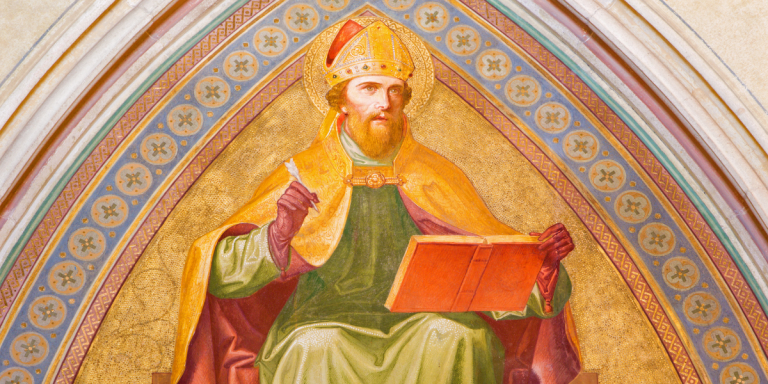
Who Were the Church Fathers?
After the original disciples had died, a new generation took on the responsibility to preach, teach, and interpret the Scriptures. Who were these early church fathers and what can we learn from them?
-
God’s Grace in Deuteronomy
Long before the New Testament, grace was always the driving force of God’s relationship with his people. Deuteronomy reveals God’s unrelenting grace: from choosing an undeserving people to promising a future transformed heart.
-
How Praying the Imprecatory Psalms Frees Us to Love Our Enemies
When we pray the psalms that curse our enemies, we coax the darkest emotions out of us and display them to God while we are welcomed into his presence exactly how we are.
-
Is Scripture Infallible and Inerrant—and Does It Matter?
The principle of sola Scriptura was key to the Reformation era debates over justification and what authority can bind the consciences of believers. The Reformers were convinced that, because the Bible has its origin in God and was superintended by his inspiration, it is infallible
-
Why the Literary Design of John’s Gospel Sets It Apart
John’s Gospel is like a magnificent cathedral, everything beautifully proportioned, perfectly balanced, with flying buttresses and soaring arches, every beam in place, the architecture pointing beyond itself to the transcendent glory of the one it celebrates.
-
How to Preach a Sermon Series on Deuteronomy
Preaching Deuteronomy faithfully is one of the Bible’s great homiletical challenges—here is a practical framework for tackling it
-
The Importance of Creeds in the Early Church
During the ancient church era (that is, from the time of the apostles until about four hundred years after them), getting everyone to believe the right theology was a real challenge. Lots of heresies—false views about God and Jesus—spread rapidly across the Roman Empire.