
Spurgeon’s Three Commitments That Made Him the Prince of Preachers
By Geoff Chang

Spurgeon’s legendary preaching was no accident — it was built on three commitments that every faithful expositor would do well to imitate
Charles Haddon Spurgeon (1834–1892) was known in his day as the Prince of Preachers, and his preaching remains legendary among evangelicals today.
Spurgeon had an unwavering commitment to the faithful exposition of Scripture. This can be seen in three commitments he held: a commitment to study, accurate exposition, and preaching Christ.
1. Spurgeon’s Commitment to Study
Spurgeon was adamant about the importance of study in the ministry.
Speaking to his students, he warned them against those who relied on oratory skills to the exclusion of study.
Spurgeon’s ministry was steeped in his study of:
- God’s word
- works of theology
- biblical commentaries
- devotional writings
- edifying sermons
- religious poetry and hymns
- much more.
Spurgeon would have said that his sermon preparation was constant. Everywhere he went, he was always thinking about his sermons, meditating on Scripture, reading books, looking for sermon illustrations, and mulling over sermon outlines (“skeletons,” he called them).
But more specifically, Spurgeon’s sermon preparation formally began on Saturday evenings, probably around 6 p.m., and it could run late into the night. During this time, he would select a sermon text (after much prayer) and devote most of his time to personal, intense study of each text.
Only after that personal study would he consult other sources. He would lay out commentaries and sermon volumes from his favorite preachers and move among his books, gathering insights like a bee among flowers. All this prayer and study would culminate in a half-sheet outline he would bring into the pulpit.
Spurgeon’s notes were sparse, but they represented a life devoted to study. As he would say to his students, “All sermons ought to be well considered and prepared by the preacher; and, as much as possible, every minister should, with much prayer for heavenly guidance, enter fully into his subject, exert all his mental faculties in original thinking, and gather together all the information within his reach.”
2. Spurgeon’s Commitment to Accurate Exposition
Additionally, Spurgeon believed in the importance of faithful exposition.
As creative and original a preacher as he was, Spurgeon taught his students to be constrained by the text in their preaching.
He warned against the dangers of over-spiritualizing the biblical text. “Do not violently strain a text by illegitimate spiritualizing. … How dreadfully the word of God has been mauled and mangled by a certain band of preachers who have laid texts on the rack to make them reveal what they never would have otherwise spoken.”
Such preaching would either harm the hearers as they lost confidence in their ability to understand the word of God or discredit the preacher’s ministry as their pride and vanity were exposed.
Spurgeon’s sermons were often based on a single verse of Scripture. But he always included a Scripture reading in every service to complement the sermon text. This would usually be a reading of the surrounding context of the sermon text. Or there could be multiple readings, with the other reading being from a related text in the opposite testament.
In these Scripture readings, Spurgeon did not merely read the text but commented on them. He provided brief “expositions,” going verse-by-verse, explaining what each verse meant, and even making brief applications. The reason for all this was to equip his people to read their Bibles for themselves.

Deuteronomy
Evangelical Biblical Theology Commentary
By J. Gary Millar
This commentary explores how Moses’s sermons in Deuteronomy highlight God’s past and future faithfulness for God’s people.
3. Spurgeon’s Commitment to Preach Christ
Finally, Spurgeon was committed to preaching Christ in every sermon.
As he famously declared in his first sermon in the newly built Metropolitan Tabernacle, “I would propose that the subject of the ministry of this house, as long as this platform shall stand, and as long as this house shall be frequented by worshipers, shall be the person of Jesus Christ.”
Notice that Spurgeon’s commitment was not so much to a message or a set of ideas. Instead, the good news of Christianity is found in the person of Christ. The gospel was intensely personal for Spurgeon, revealing a Savior. This commitment flowed from Spurgeon’s understanding of Scripture.
The Bible culminates with the revelation of Jesus Christ, the Son of God. Therefore, when read in its proper, biblical-theological context, every text of Scripture points to Jesus.
Spurgeon’s commitment to preaching Christ was not homiletical but theological. Christ is the central meaning of the Scriptures. Therefore, in one way or another, the preacher should either find a road to Christ or make one. There may very well be worse and better roads to Christ in a text. But if the Scriptures exist to reveal Christ, this commitment to preaching Christ in every sermon is exactly right. This commitment makes Spurgeon a more trustworthy expositor of Scripture, not less.
Spurgeon’s legacy is not of an entertainer or rhetorical performer. Rather, it is of a preacher committed to the accurate exposition of Scripture. Over forty years of ministry, he preached, taught, and wrote on virtually every book of the Bible, and he sought to do so faithfully.
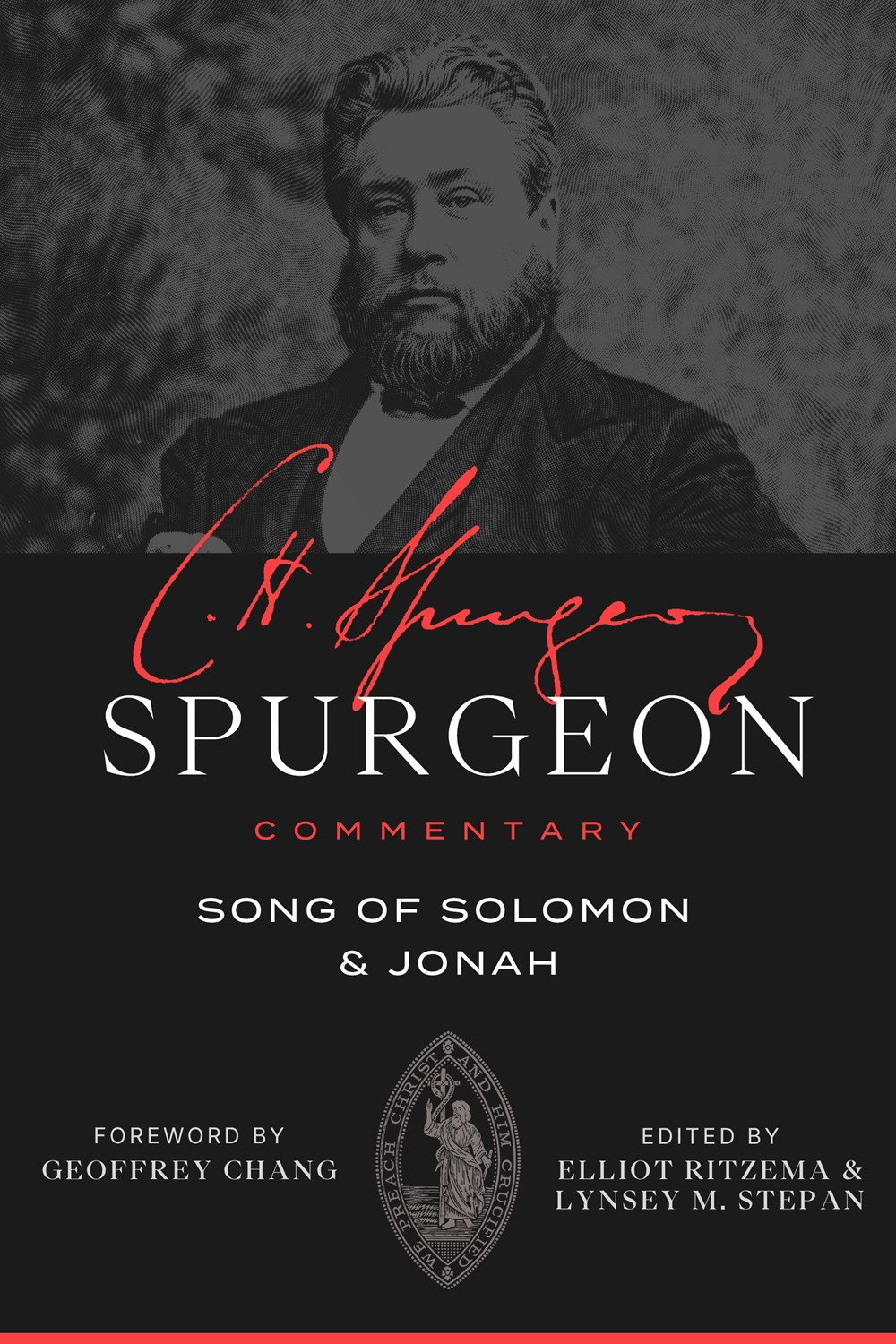
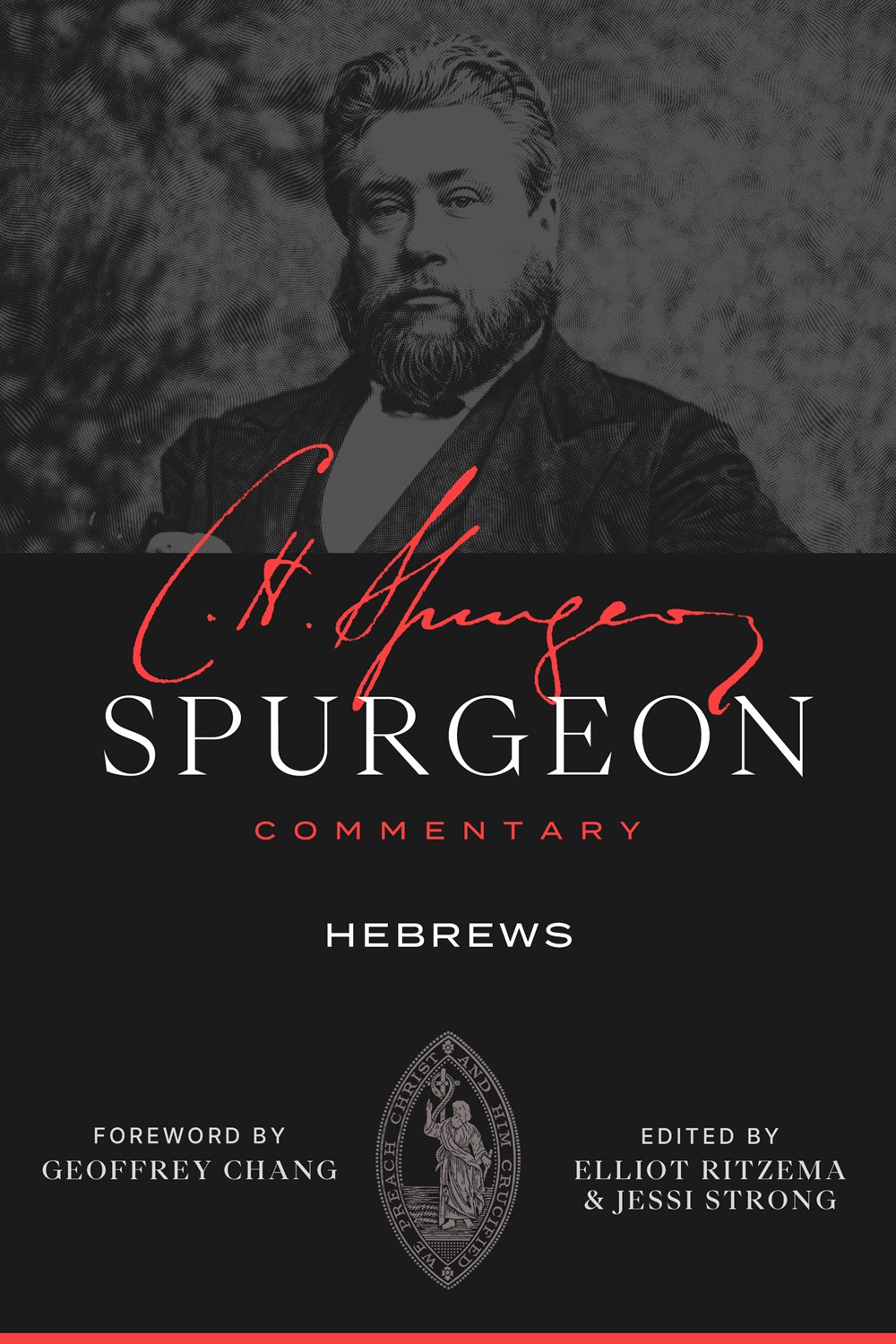
This article has been adapted from Geoff Chang’s foreword to the Spurgeon Commentary series, published by Baker Books, which collects Charles Spurgeon’s thoughts in a commentary format, enabling you to quickly find a fitting observation and enabling readers to find Spurgeon’s thoughts on specific Bible passages.



Geoff Chang is Bill and Connie Jenkins Endowed Chair of Historical Theology and Spurgeon Studies and curator of the Spurgeon Library at Midwestern Baptist Theological Seminary.